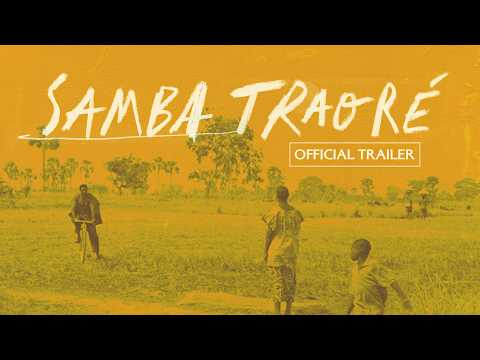
Samba Traoré, the sole survivor of a failed robbery, escapes with stolen cash to his rural village and starts a new life, but his growing happiness is threatened by guilt and fear of retribution.
Cast: Bakary Sangare, Mariam Kaba
Crew: Idrissa Ouedraogo (Director), Mathieu Vadepied (Director of Photography), Pierre-Laurent Chenieux (Director of Photography), Faton Cahen (Music Director), Lamine Konte (Music Director), Wasis Diop (Music Director)
Genres: Drama
Release Dates: 28 Aug 2026 (United States | Re-Release Version), 06 Jan 1995 (United States | Wide Theatrical Release)
No reviews available. Click here to add a review.
Actor
Actress
Supporting Actor
Supporting Actress
Supporting Actor
Supporting Actor
Direction
Director
Production
Producer
Production Company
Distribution
Distributor
Film Movement (United States)
Camera and Electrical
Director of Photography
Music
Music Director
Art
Production Designer
Editorial
Editor
Film Type:
Theatrical
Language:
French
Colour Info:
Color
Frame Rate:
24 fps
Aspect Ratio:
2.39:1 (Scope)
Stereoscopy:
No